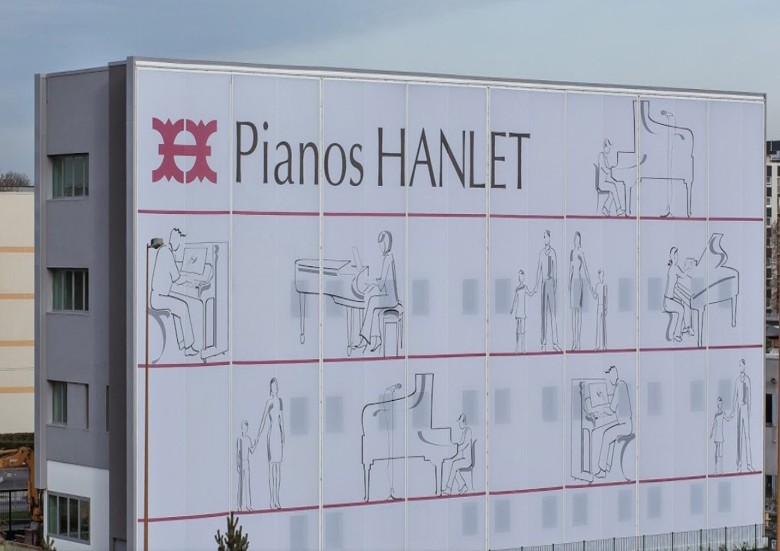
Textile facades create a comfortable microclimate in every season: they filter solar radiation, reduce overheating in the summer, and minimize heat lost in the winter. Technical membranes also improve light quality and contribute to acoustic comfort, making spaces more enjoyable to live and work in.
Benefits of a textile façade
Textile facades offer a range of benefits that combine energy efficiency, climate protection, and contemporary design. They improve a building’s efficiency, reducing energy consumption, enhancing indoor comfort, and providing optimal control over light, heat, and noise.
This lightweight yet high-performance technology is ideal for both new construction and renovation projects.
Sustainability
Textile facades cut down energy waste and reduce environmental impact thanks to lightweight, recyclable, and durable materials. This solution enhances comfort and performance while taking a responsible approach.
Scalability
Textile systems can be easily adapted to buildings of any size, from small-scale renovations to large architectural structures. Their modularity and lightweight design allow for quick and customized installations.
Sound absorption
Micro-perforated membranes reduce external noise and improve indoor acoustic comfort, making spaces quieter and more comfortable.
Frequency reduction
Textile facades help to reduce particular sound frequencies, improving acoustic quality in urban or high-exposure environments. An effective and low-profile solution.
Thermoregulation
Membranes filter solar radiation and create a stable microclimate, reducing overheating in the summer and improving the building's energy efficiency.
Natural light
Technical fabrics diffuse light uniformly, removing reflection and improving the visual quality of indoor spaces. An ideal balance between brightness and protection.